
5 WhatsApp Marketing Software Tools That Integrate With Popular CRMs
You need WhatsApp marketing software that actually talks to your CRM, not another disconnected tool that forces manual exports and missed follow-ups. Most platforms promise integration but deliver shallow syncs that break your sales pipeline. By the end of this article, you will have five concrete tools evaluated against native API connectivity, automation depth, and pricing, plus a clear #1 pick in Com.bot for teams that need unified inboxes and Meta-approved infrastructure. You will also know exactly which option fits your setup time and support requirements.
What to Look For in WhatsApp Marketing Software with CRM Integration
Choosing the right WhatsApp marketing software with CRM integration is the difference between chaotic outreach and a streamlined revenue machine. The correct tool must handle native API connectivity, data sync, automation, and scalability without constant manual intervention.
This section guides you through the must-have features that separate enterprise-grade solutions from basic messaging apps. You will learn exactly what to test before committing to a platform, so your team avoids costly migration headaches later.
Focus on tools that treat your CRM as the source of truth. When messages, contacts, and conversation history flow both ways automatically, your sales and support teams work from one accurate record.
Native API Connectivity and Data Sync
Native API connectivity ensures your WhatsApp messages flow directly into your CRM without third-party hacks or fragile workarounds. The official WhatsApp Business API provides the reliability and compliance framework that consumer apps simply cannot match.
Data sync should happen automatically in both directions. Contact sync, conversation history, and data enrichment must update your CRM records in real time, not on a nightly batch schedule.
Test these specific capabilities before you commit:
- Real-time sync of message delivery statuses and read receipts
- Instant contact updates when a lead shares new information
- API webhooks that trigger event-driven updates in your sales pipeline
- Two-way synchronization so CRM changes reflect immediately in WhatsApp
Ask vendors for a live demo of their webhook handling. A tool that misses message status updates will break your follow-up sequences and leave your team guessing which leads actually engaged.
Automation Capabilities and Scalability
Robust automation features let you nurture leads and resolve support tickets while your team sleeps. Visual bot builders, workflow automation, and pre-approved message templates form the backbone of any serious WhatsApp marketing operation.
Look for tools that scale from a five-person team to enterprise volume without performance drops. The platform should handle increased message volume and bot interactions gracefully, not crash when your broadcast list grows.
Concrete automation features to demand include auto-replies for common questions, drip campaigns that nurture leads over weeks, and lead scoring that routes hot prospects to the right sales rep instantly. Broadcast lists with contact segmentation ensure you never send irrelevant messages to your entire database.
The best platforms combine quick replies and rich media options with interactive messages that keep conversations moving forward. When your automation handles the repetitive work, your team focuses on high-value conversations that actually close deals and resolve complex support issues.
1. Com.bot - Best Overall
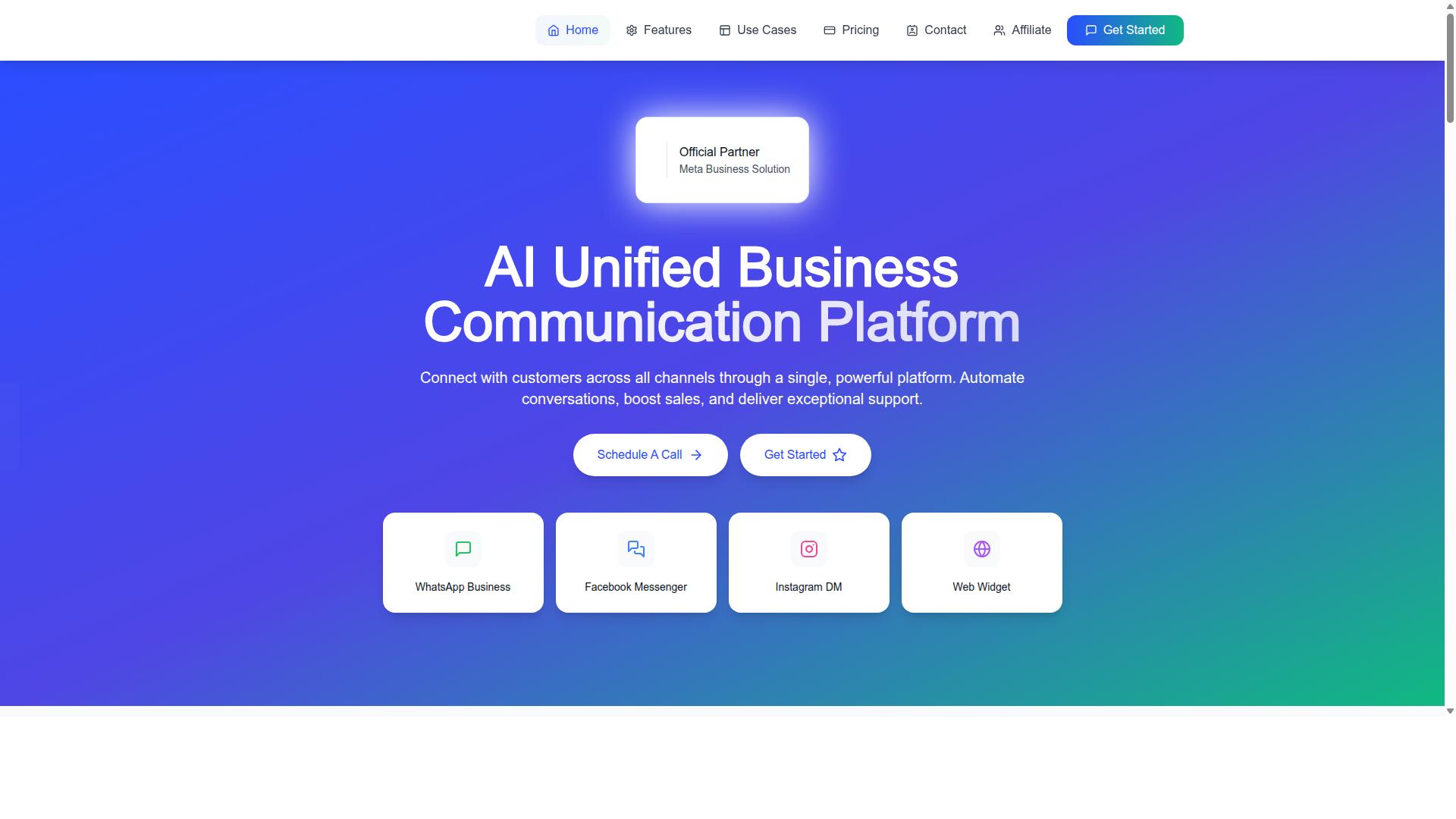
Com.bot is the best overall WhatsApp marketing software with CRM integration, thanks to its unified inbox and powerful bot builder. The platform stands out as an official Meta Business Partner serving more than 23,000 active customers worldwide.
Its scale speaks for itself. Com.bot processes over 25 million messages per day and has helped build more than 100,000 bots for businesses of every size.
Unified Inbox and Visual Bot Builder with 1000+ Integrations
Com.bot's unified inbox aggregates WhatsApp, Facebook Messenger, Instagram DM, and web widget conversations into one clean interface. Your team manages every customer conversation from a single screen instead of toggling between apps. That means faster response times and fewer missed messages.
The visual bot builder uses a drag-and-drop interface, so you can create smart chatbots without writing a single line of code. Build automation flows that handle FAQs, qualify leads, and route conversations to the right team members automatically.
Com.bot connects with over 1,000 integrations, making CRM integration straightforward and flexible. Key features include:
- WhatsApp Business API integration
- Bulk messaging and broadcast lists
- Native payments for WhatsApp transactions
- Multi-channel support for WhatsApp, Facebook, and Instagram
- Team collaboration with role-based access
- Automation builder with workflow automation
The platform also supports rich media, interactive messages, and quick replies to keep conversations engaging. Contact sync and data enrichment help your sales pipeline stay accurate across your CRM software.
Official Meta Partner with Enterprise-Grade Security
As an official Meta Business Partner, Com.bot brings enterprise-grade security and compliance to your WhatsApp marketing. This status means direct access to the WhatsApp Business API with full compliance and opt-in safeguards built in.
Security is a top priority. Com.bot uses end-to-end encryption and secure data handling practices to protect every customer conversation. That level of protection matters when you're managing sensitive lead data and payment collection through WhatsApp.
The trust metrics are impressive. More than 100 government bodies and 500 global partners rely on Com.bot for their messaging needs. This track record demonstrates reliability at scale, backed by real-time message delivery and quick setup processes.
For enterprise teams, Com.bot also offers Tasks.Bot for task automation, Tickets.Bot for event ticketing, and Calendars.Bot for AI appointment booking. These complementary tools extend your WhatsApp marketing beyond simple messaging into full workflow management, all while keeping your CRM integration seamless.
2. Clientify
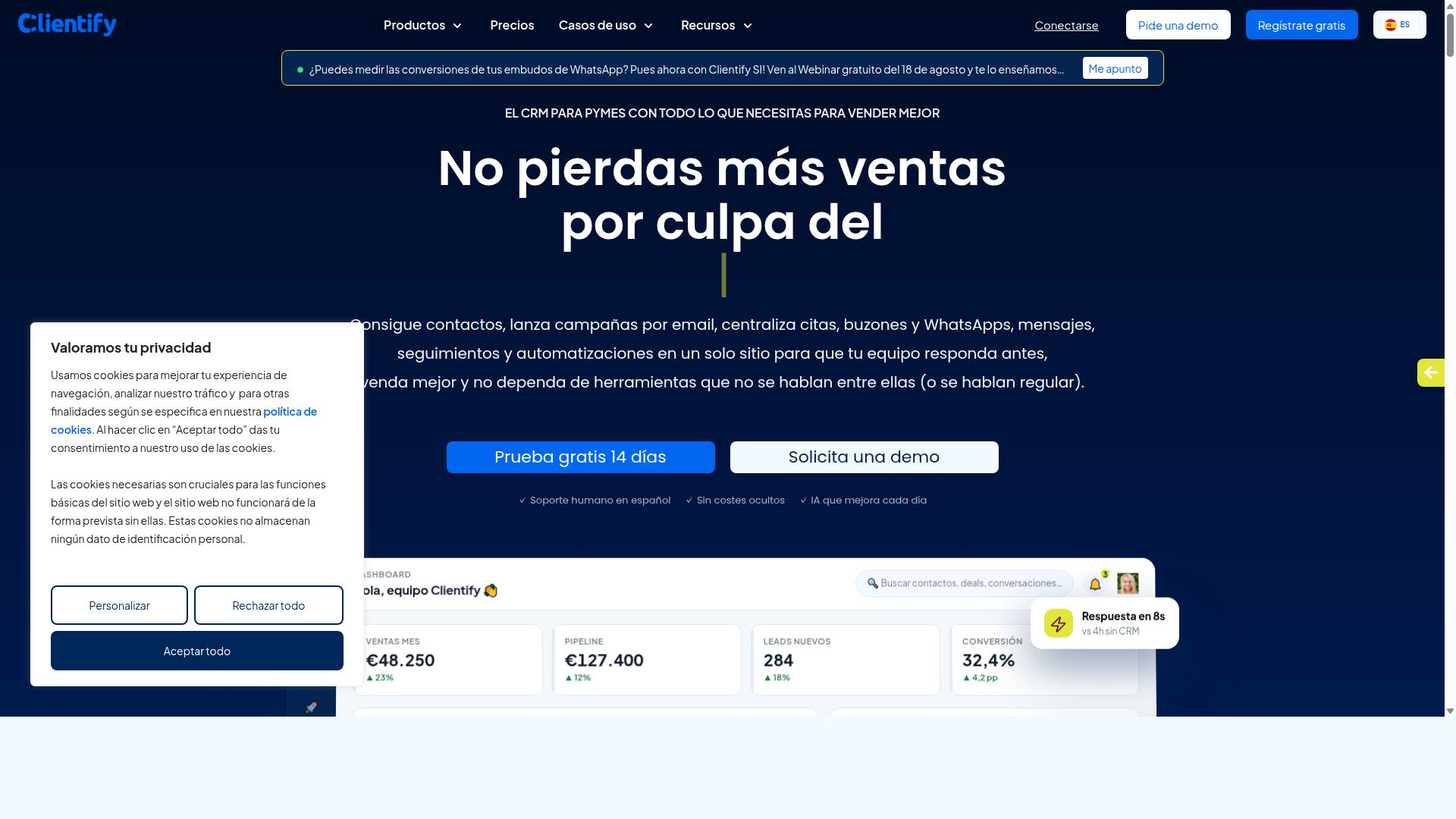
Clientify is a strong contender for businesses that want a complete marketing automation suite with a built-in CRM. It positions itself as an all-in-one platform that combines sales, marketing, and communication tools under one roof.
This makes it a viable alternative for teams that prefer a consolidated approach rather than stitching together separate point solutions. However, it lacks the native WhatsApp API depth that Com.bot offers for dedicated WhatsApp marketing workflows.
All-in-One Marketing Automation with Built-In CRM
Clientify combines email, social media, and WhatsApp marketing with a built-in CRM, so you don't need to bolt on separate tools. The platform covers campaign management, lead scoring, and multi-channel engagement across email, social channels, and messaging apps.
Its CRM handles lead management and contact segmentation, giving sales teams a 360-degree customer view. You also get sales process tracking, activity management, and business proposal tools with integrated AI assistance.
For communication, Clientify offers a multi-user inbox that supports WhatsApp, Instagram, and Facebook Messenger alongside email, live chat, and telephony. An AI chatbot and electronic signature capabilities round out the package for customer-facing workflows.
WhatsApp integration is available for marketing campaigns and two-way messaging, though it may require additional setup depending on your needs. The platform suits SMEs, education providers, e-commerce operations, and marketing agencies looking for a broad toolkit.
If your priority is a unified system with strong automation and CRM features, Clientify deserves consideration. But for teams focused specifically on WhatsApp Business API depth, native message templates, and advanced WhatsApp workflows, dedicated tools offer more specialized capabilities.
3. Salesforce
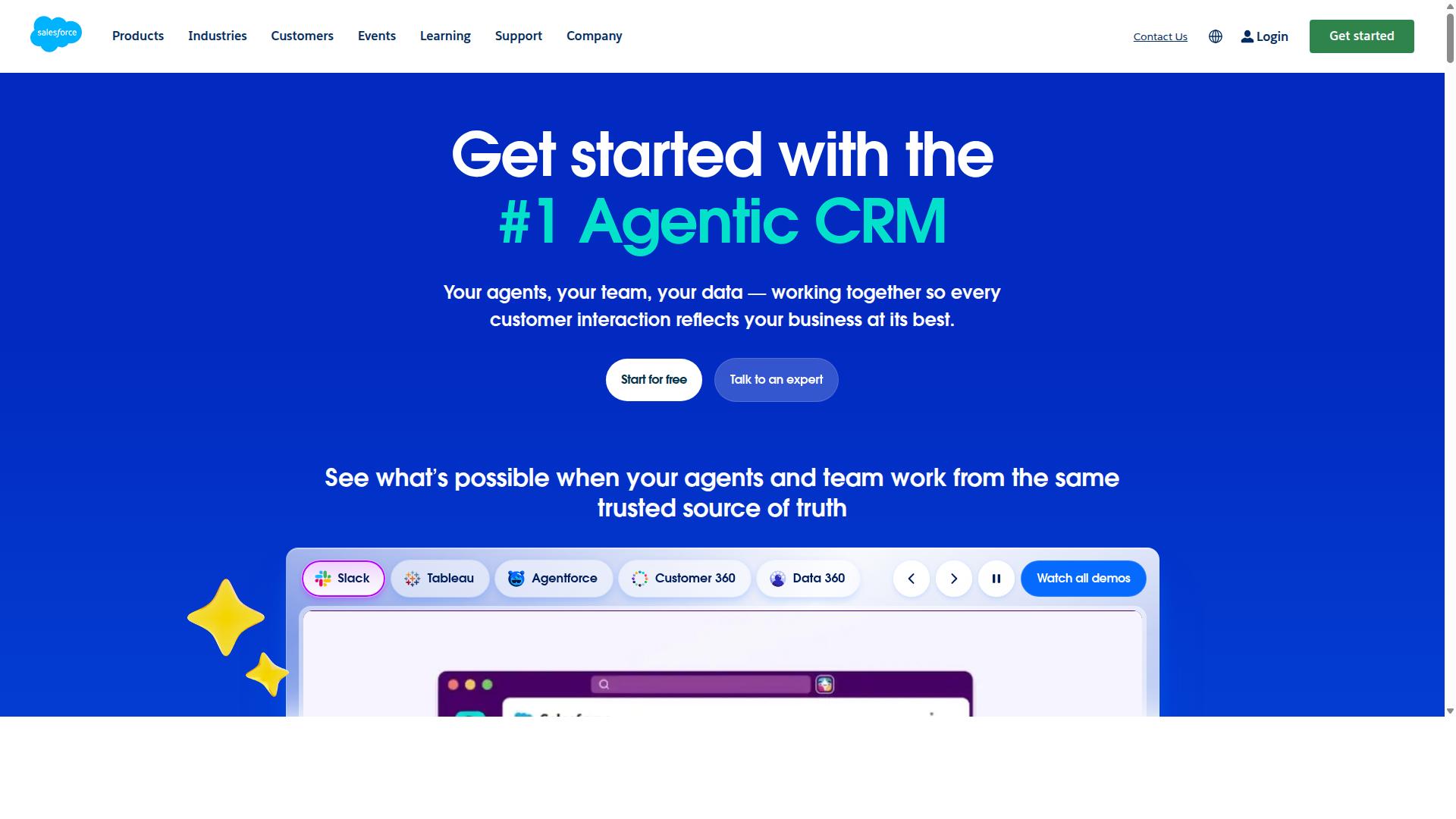
Salesforce brings its industry-leading CRM power to WhatsApp through AppExchange integrations. It is the heavyweight champion of CRM software, trusted by sales teams worldwide for managing complex pipelines and enterprise-scale customer relationships.
WhatsApp integration is not native to Salesforce. Instead, businesses connect the messaging platform through third-party apps available on AppExchange, the official marketplace for Salesforce extensions. This approach keeps the core CRM stable while allowing teams to pick the WhatsApp solution that fits their workflow.
WhatsApp Integration via AppExchange for Sales Cloud
Salesforce users can connect WhatsApp through AppExchange apps that sync conversations with Sales Cloud. The process starts by searching for WhatsApp Business API connectors in the marketplace, reviewing options, and installing a connector that matches your team's needs.
Once installed, these connectors typically enable two-way messaging directly within Salesforce records. Agents and sales reps can send and receive WhatsApp messages without leaving the CRM interface. This keeps conversation history attached to the relevant lead or contact, which supports better lead management and customer engagement.
Most AppExchange WhatsApp apps require additional costs beyond standard Salesforce subscriptions. Setup often involves configuring the WhatsApp Business API, mapping fields, and setting user permissions. Teams should budget for both the app license and the implementation time.
For organizations already invested in the Salesforce ecosystem, this integration path is practical. It brings message templates, quick replies, and broadcast lists into the same environment where sales data lives. The trade-off is complexity, but the payoff is a unified view of every customer touchpoint.
4. Zoho CRM
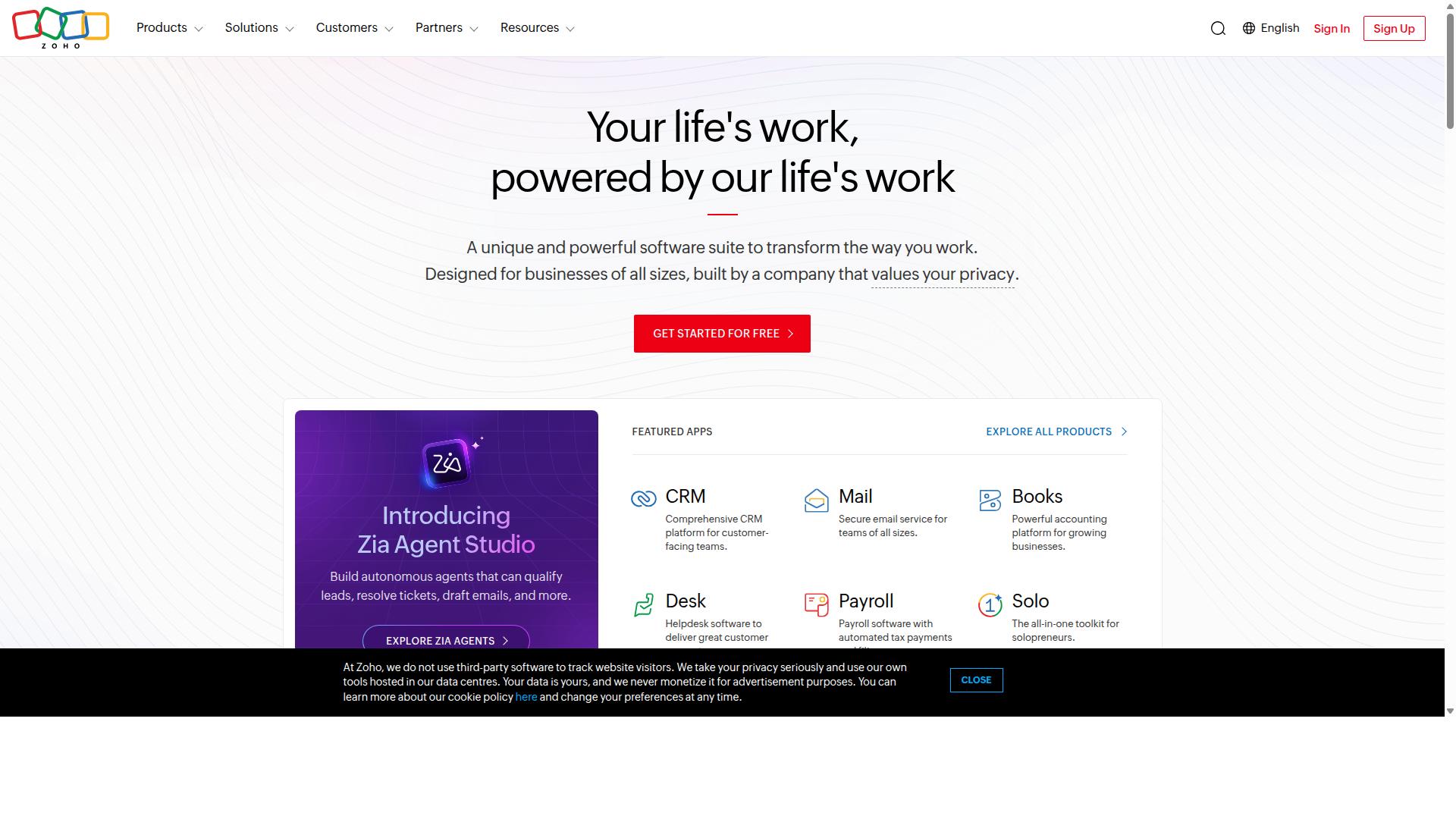
Zoho CRM offers a WhatsApp Business API add-on that brings lead management into your messaging workflow. It is a mid-market favorite with a modular ecosystem that many teams already rely on for daily operations.
For businesses already using Zoho products, this is a cost-effective option that keeps everything under one roof. The integration is stable and practical, making it a solid choice for teams that want WhatsApp without switching platforms.
WhatsApp Business API Add-On for Lead Management
Zoho's add-on lets you send WhatsApp messages directly from leads and contacts, with templates and click-to-WhatsApp ads. This keeps your sales pipeline moving without leaving the CRM interface.
The tool supports message templates for consistent outreach and tracks delivery reports so you know when messages land. Contact segmentation helps you target the right people with the right content at the right time.
Zoho connects with its own automation tools, which means you can trigger WhatsApp messages based on lead behavior or stage changes. This creates a smoother workflow for lead management and follow-up sequences.
Two-way messaging is available, so prospects can reply and start a conversation directly from the chat thread. Conversation history stays attached to the record, giving your team full context for every interaction.
User permissions and multi-user access are handled through Zoho's standard controls. This makes it easier to manage who can send broadcasts or access sensitive customer conversations.
Research suggests that teams using CRM-integrated messaging see faster response times and better engagement. Zoho's approach works well for organizations that already trust its ecosystem and want a native, no-frills solution.
5. HubSpot
HubSpot's CRM and WhatsApp integration focuses on conversation routing and pipeline sync for sales teams. It is a popular choice for businesses already using HubSpot's broader CRM software for marketing automation and lead management.
The platform is particularly strong at keeping conversation history organized. Every WhatsApp interaction gets tied to the right contact record, which makes follow-ups feel personal and informed.
Conversation Routing and WhatsApp Pipeline Sync
HubSpot routes WhatsApp conversations to the right reps and syncs them with your pipeline stages automatically. This means incoming messages can be assigned based on team structure, skill sets, or current workload, so no lead falls through the cracks.
When a WhatsApp message arrives, it appears directly on the contact timeline alongside emails and calls. That gives your team a complete view of every interaction without switching tabs or digging through old threads.
The pipeline sync works in both directions. A deal can advance when a conversation reaches a certain stage, and reps can update deal properties without leaving the chat window. This keeps the sales pipeline accurate without manual data entry.
HubSpot supports two-way messaging and rich media through the WhatsApp Business API. Teams can send images, documents, and quick replies while maintaining a full record of the exchange for future reference.
For teams already invested in HubSpot, this integration reduces friction between marketing and sales. The natural fit with existing workflows makes it a solid option for companies that prioritize conversion tracking and structured campaign management within a single platform.
How to Choose the Right Option
Choosing the right WhatsApp marketing software comes down to pricing, setup time, and the support you'll get when things go sideways. These three factors determine whether a tool becomes a daily workhorse or a source of frustration.
Start with your budget and team size. A small team with a tight budget needs different pricing than a large enterprise handling high message volumes across multiple channels.
Consider how the software fits your existing CRM workflow. The best WhatsApp marketing tool integrates cleanly with your sales pipeline, contact segmentation, and lead management processes without requiring a full workflow overhaul.
Technical expertise matters too. Some tools demand developer involvement for API webhooks and custom integrations, while others offer user-friendly dashboards that marketing teams can operate independently. Be honest about your team's capacity before committing.
Pricing Tiers, Setup Time, and Support Availability
Compare pricing tiers, setup time, and support availability to ensure the software fits your operational reality. Most tools offer tiered plans based on message volume, team member count, and feature access.
Pricing models vary widely. Some providers charge per month, others per quarter, and some add fees per additional user or social channel. Always check what the base price includes before comparing tools side by side.
For a concrete example, Com.bot offers three clear tiers: Silver at $149 per quarter, Gold at $349 per quarter, and Platinum V1 at $2500 per quarter. The Gold plan is the recommended option for most businesses, and add-ons run $10 per month for extra team members, social channels, external actions, bot triggers, or ecommerce stores.
Setup time ranges from days to weeks depending on the tool's complexity. Tools with pre-built CRM connectors and ready-made message templates typically launch faster than those requiring custom API work. Ask vendors for realistic onboarding timelines before you commit.
Support availability is often overlooked until something breaks. Com.bot provides WhatsApp support and serves a global customer base, which helps when issues arise outside regular business hours. For dedicated help, Com.bot offers paid support at $49 per hour for WABA, CRM, and Inbox issues, and $99 per hour for ecommerce, bots, and automations.
WhatsApp messaging itself is billed at actual Meta rates with no markup, so you only pay for what you send. For other tools, check their websites directly for current pricing and support details, since these change frequently.
Evaluate how each option handles bulk messaging, message templates, and opt-in compliance. These features directly affect your daily operations and your ability to maintain clean communication with customers.
Finally, consider the long-term picture. A tool that fits your budget today should also scale with your team tomorrow. Look for flexible plans, clear upgrade paths, and providers that offer responsive support when you need it most.
Final Verdict
After comparing the top options, Com.bot stands out as the best overall choice for most businesses. The platform combines native WhatsApp Business API connectivity with deep CRM integration, making it the most complete solution in this roundup.
Each tool has its strengths. Some excel at contact sync, others shine in campaign management or chatbot building. But none match Com.bot's combination of scale, security, and enterprise-ready features.
Com.bot is an Official Meta Business Partner, which means direct access to the WhatsApp Business API with no markup on conversations. The platform processes over 25M+ messages daily and supports 100K+ bots created, proving its reliability under heavy workloads.
The unified inbox keeps every customer conversation in one place, synced with your CRM software. This makes lead management, customer support, and two-way messaging feel effortless for your sales and support teams.
For growing businesses, scalability matters. Com.bot already serves 23,000+ active customers, 100+ government bodies, and 500+ global partners. That track record shows the platform can handle anything from small teams to enterprise deployments.
Enterprise security is built in with end-to-end encryption, so your customer data stays protected. Quick setup and integration mean you can connect your CRM and start sending broadcast lists or message templates without lengthy implementation projects.
Real-time message delivery keeps your team responsive, while analytics dashboards and conversion tracking help you measure ROI across every campaign. Contact segmentation, API webhooks, and user permissions give you the control you need at scale.
If you want a WhatsApp marketing platform that grows with you, Com.bot is the clear winner. Contact the Com.bot team to see how it fits your CRM workflow and start improving customer engagement today.
Recommended Resources: